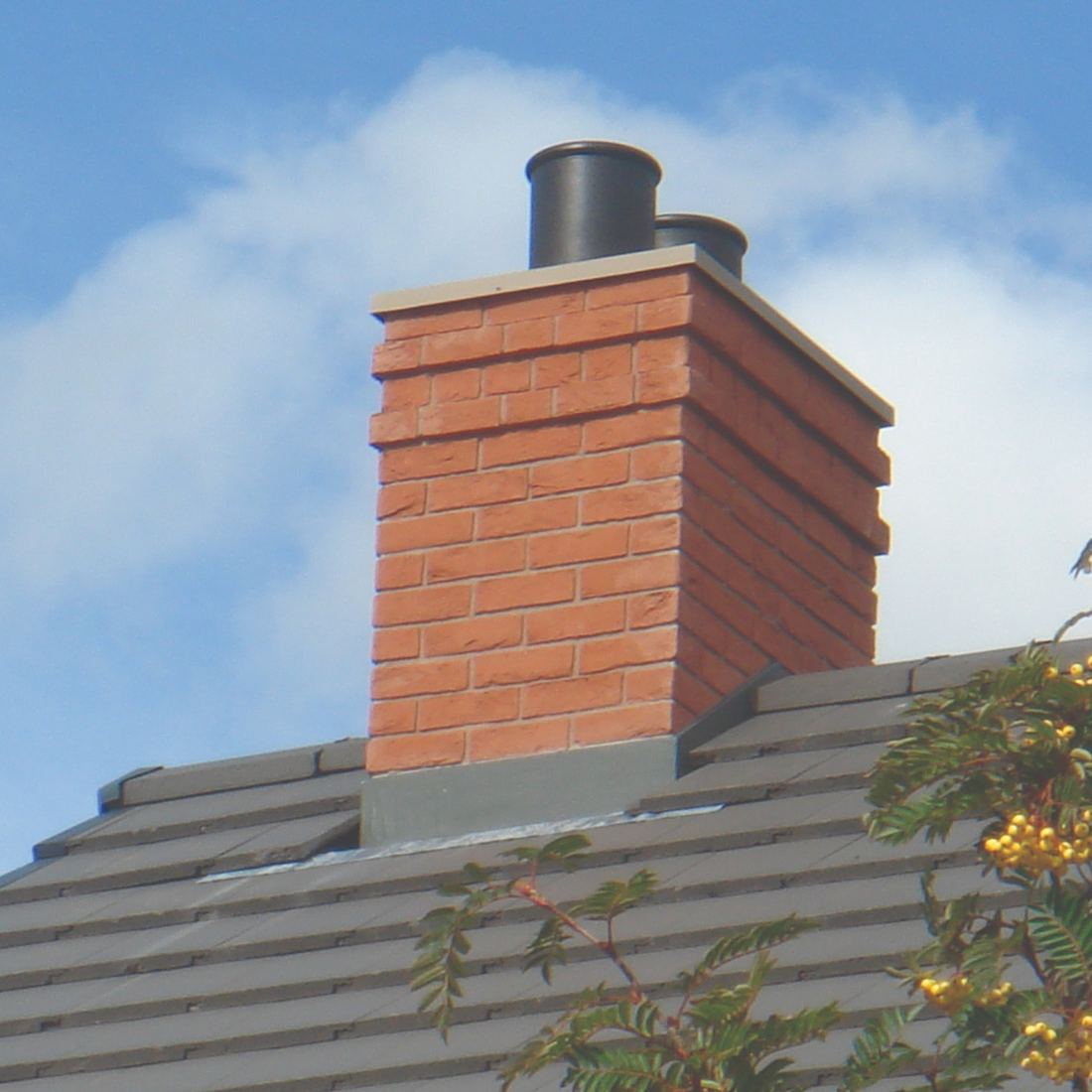
How do I know if my chimney needs repointing?
Look for mortar you can rake out with a key, missing joints on the weather side, and a wet patch on the chimney breast inside that comes and goes with the rain. From the ground, binoculars tell you more than you would think. From a scaffold we can tell you exactly, and whether it is a repoint or a rebuild.
Can you remove a chimney we never use?
Yes, and it is a common job. Most people take it down to just below roof level and have the roof closed up, which removes the maintenance without touching the breast inside the house. If you want the breast removed as well that is structural work and needs a builder and, usually, a calculation.
Do I need my chimney capped if the fire is gone?
A capped pot or a vented cowl keeps the rain out while still letting the flue breathe, which stops damp and condensation in a disused flue. Sealing a flue completely without ventilation is how you get a damp, musty chimney breast, so we fit vented caps rather than blanking it off.
Will the new brickwork match the old?
We match as closely as reclaimed or current stock allows, and on a partial rebuild the original bricks are usually cleaned and reused for the visible faces. Mortar colour is matched too. On a hundred year old stack a perfect match is not always possible, and we will say so before starting rather than after.
Is scaffolding needed for chimney work?
For anything more than a quick look, yes. A stack needs a scaffold with a proper working platform around it, and often a chimney lift. It is on the written estimate up front, and it is the reason chimney work costs what it does.